
Efflorescence: What Every Homeowner Needs to Know
A Home Inspector’s Guide to Understanding, Preventing, and Treating Efflorescence
Efflorescence is a common issue that homeowners—and every experienced home inspector—encounter. It appears as a white, powdery residue on masonry surfaces, including brick, concrete, and stone. Although efflorescence itself is not structurally dangerous, it often signals underlying moisture problems that should not be ignored.
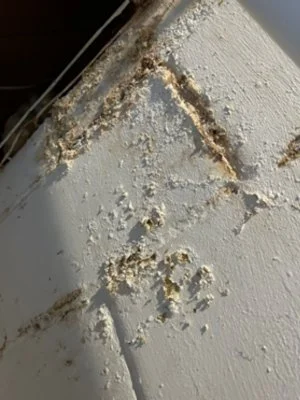
A masonry block wall with efflorescence
What Is Efflorescence?
Efflorescence occurs when moisture moves through porous building materials, dissolving naturally occurring salts in the masonry or mortar. As the moisture evaporates at the surface, it leaves behind crystallized salt deposits, producing the characteristic white staining known as efflorescence.
Although the residue can detract from a home’s appearance, a trained home inspector will recognize that it serves as a warning sign of excess moisture infiltration.
What Causes Efflorescence?
The root cause of efflorescence is always moisture. When water enters masonry—whether from rain, leaks, or humidity—it moves through the material, carrying dissolved salts to the surface. As the moisture evaporates, the salts remain behind.
Several common conditions contribute to this process:
Water Intrusion:
Leaking roofs, clogged gutters, and poor exterior drainage can introduce moisture into walls and foundations.
Construction Materials:
Certain masonry materials contain higher concentrations of salts, increasing the likelihood of efflorescence.
Humidity and Ventilation Issues:
Elevated indoor moisture levels, especially in basements or crawl spaces, can promote the formation of efflorescence.
A qualified home inspector often identifies these contributing factors during an evaluation, helping homeowners pinpoint the source of the moisture problem.
How to Remove Efflorescence
Addressing efflorescence requires both cleaning the visible residue and correcting the underlying moisture issue.
Surface Cleaning:
Light deposits can usually be brushed away or rinsed with water and a stiff brush. Stubborn efflorescence may require a mild vinegar solution, followed by thorough rinsing.
Repeat if Necessary:
Efflorescence can reappear until the underlying moisture source is resolved.
How to Prevent Efflorescence
Prevention focuses on controlling moisture and protecting masonry surfaces:
Control Moisture Sources:
Repair leaks, improve drainage systems, and ensure that gutters and downspouts direct water away from the structure.
Seal Masonry Surfaces:
Apply a breathable sealer that prevents water penetration while allowing trapped moisture to escape.
Improve Ventilation:
Proper airflow in basements and crawl spaces reduces humidity and limits moisture buildup.
Summary:
While efflorescence itself does not compromise structural integrity, it is an important indicator of moisture movement within a home. Left unaddressed, excess moisture can lead to more serious issues, including mold growth, material deterioration, and long-term structural concerns.
This is why many homeowners consult a professional home inspector when persistent efflorescence appears. Early detection and correction of moisture problems can help preserve the home’s appearance and durability.
At HomePro Inspections, we are trained to identify these issues during home inspections. Any problems are documented and recommended for resolution by a qualified professional.
Visit our website to learn more or to schedule your home inspection in the Rochester, Owatonna, and Faribault, MN areas. You can contact us today at (507) 202-8942, email us, or use our online “Schedule Now” feature to schedule an appointment.