
Why Furnaces Fail—and How Annual Maintenance Helps Them Last
Few household problems are more disruptive than a furnace failure in cold weather. Most failures aren't truly sudden: restricted airflow, dirt, worn parts, drainage issues, or combustion problems can put extra strain on the system. During a home inspection, a Home Inspector may spot visible warning signs and recommend further evaluation—but routine service by a licensed HVAC contractor remains the best way to catch developing defects before they become an emergency.
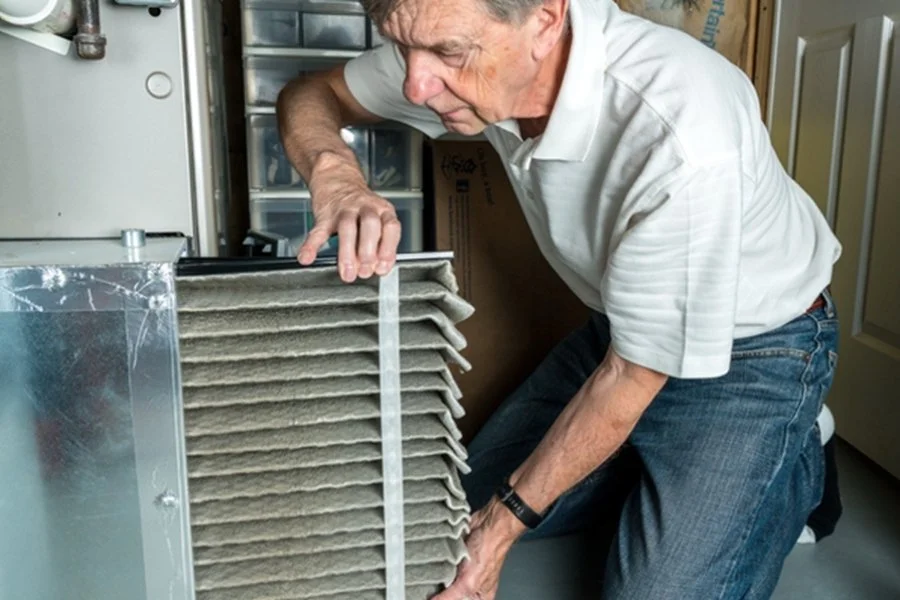
Changing a dirty furnace filter as part of furnace maintenance
Why Furnaces Fail
A furnace is a system of interconnected components. Air must flow freely, controls must communicate properly, fuel must burn safely, and exhaust gases must vent outdoors. When one part falls out of balance, others compensate by running longer or cycling more often. That added heat, friction, and electrical load accelerates wear and can eventually cause a shutdown.
The Most Common Reasons for Furnace Failure
A Dirty or Clogged Filter
A clogged filter restricts airflow, forcing the blower to work harder and the furnace to run longer. The resulting heat buildup may trip a safety limit switch, and prolonged strain can shorten the blower motor’s life. Check the filter regularly and replace or clean it according to the furnace and filter manufacturer’s instructions.
Ignition or Flame-Sensing Problems
Modern gas furnaces use electronic ignition and safety controls. A dirty flame sensor, worn igniter, burner contamination, or a control fault may prevent reliable startup or cause the burners to shut down shortly after lighting. A qualified technician should test and service these components.
Blower Motor and Electrical Wear
Motors, bearings, capacitors, relays, switches, and wiring all wear with age and use. Dust buildup, poor airflow, loose connections, or inadequate lubrication can increase operating stress. Warning signs include humming, squealing, burning odors, intermittent operation, or a furnace that starts but does not deliver enough warm air.
Thermostat and Control Issues
Dead batteries, incorrect settings, damaged low-voltage wiring, or a failing thermostat can mimic a furnace problem. Control-board faults can also interrupt the normal startup sequence. A technician can determine whether the trouble originates at the thermostat or inside the furnace.
Blocked Vents, Returns, or Exhaust Piping
Closed supply registers, blocked return grilles, crushed ducts, or snow and debris around exterior intake and exhaust pipes can reduce airflow or trigger pressure-related safety controls. Keep indoor grilles clear and visually inspect outdoor terminations after storms without dismantling the equipment.
Condensate Drainage Problems
High-efficiency furnaces produce condensate. A clogged drain, frozen line, failed pump, or obstructed trap can cause leaks or trigger a safety shutdown. Water stains, rust, or pooling around the cabinet warrant prompt attention.
Age, Corrosion, and Heat-Exchanger Deterioration
Years of heating and cooling cycles take a toll on metal and mechanical parts. Corrosion, repeated overheating, or combustion defects can damage the heat exchanger and venting system. Because combustion and carbon monoxide hazards may be involved, suspected defects require immediate evaluation by a licensed HVAC contractor.
Warning Signs Homeowners Should Not Ignore
· Unusual banging, rattling, squealing, or grinding
· Frequent cycling or difficulty starting
· Weak airflow or rooms that remain cold
· Rising heating costs without a clear change in usage
· Soot, scorch marks, rust, or water near the unit
· Persistent burning or fuel odors
· A carbon-monoxide alarm
Safety first: If a carbon monoxide alarm sounds or you suspect a fuel or combustion issue, leave the home, follow local emergency guidance, and contact the appropriate emergency service or fuel provider. Do not attempt to repair it yourself.
How Annual Furnace Maintenance Extends Equipment Life
Preventive furnace maintenance reduces avoidable stress and gives a technician the opportunity to correct minor problems before they damage expensive components. A thorough visit typically includes checking thermostat operation, electrical connections, safety controls, startup and shutdown cycles, blower performance, combustion, fuel connections, venting, the heat exchanger, and condensate drainage where applicable. Cleaning and adjustment requirements vary by system and manufacturer.
Annual service cannot guarantee a specific lifespan, but it can help the furnace operate more safely and efficiently, reduce overheating and excessive run time, preserve airflow, and reveal wear before a breakdown. Natural Resources Canada recommends licensed and insured contractors for pre-season checkups and advises homeowners to follow the manufacturer’s service intervals.
A Practical Furnace Maintenance Routine
Schedule service before heating season.
Early fall is ideal because contractors become busier when cold weather arrives.
Check the air filter regularly.
Replace or clean your air filter as directed by the manufacturer and sooner if it becomes visibly loaded.
Keep airflow paths open.
Do not block supply registers or return grilles with furniture, rugs, or stored items.
Keep the furnace area clear.
Do not store combustibles, paint, or household chemicals beside heating equipment.
Check exterior terminations.
Keep visible intake and exhaust openings free of snow, leaves, and debris.
Test smoke and carbon monoxide alarms.
Follow the smoke and CO alarm manufacturer’s instructions and local requirements.
Track changes.
Note new sounds, odors, cycling patterns, comfort problems, or increases in energy use.
What a Home Inspection Can—and Cannot—Tell You
During a home inspection, a Home Inspector typically reviews accessible furnace components, visible venting, the filter, basic operating response, and signs of age, leaks, corrosion, or improper installation. The inspection is a snapshot of conditions on that day—not a prediction of future performance and not a substitute for disassembly, combustion testing, or specialized HVAC service. When concerns arise, the prudent next step is to have a licensed heating professional evaluate them.
Summary
Furnaces usually fail because airflow is restricted, parts wear out, controls malfunction, drainage or venting is obstructed, or age-related deterioration catches up with the equipment. Consistent furnace maintenance, prompt repairs, and attention to warning signs can reduce surprise breakdowns and help homeowners get the most reliable service life from their system.
At HomePro Inspections, we are trained to identify these issues during home inspections. We document any problems and recommend resolution by a qualified professional.
Visit our website to learn more or to schedule your home inspection in the Rochester, Owatonna, and Faribault, MN areas. You can contact us today at (507) 202-8942, email us, or use our online “Schedule Now” feature to schedule an appointment.