
Understanding the issues that matter most when you buy or sell a home.
If you have ever read a home inspection report, you have likely seen a long list of observations, from a loose cabinet handle to a cracked foundation wall. Not every item carries the same weight. The ones that matter most are material defects, and knowing what they are will help you make smarter decisions during a real estate transaction. We loosely refer to these items as Safety, Health, and Money Pit.
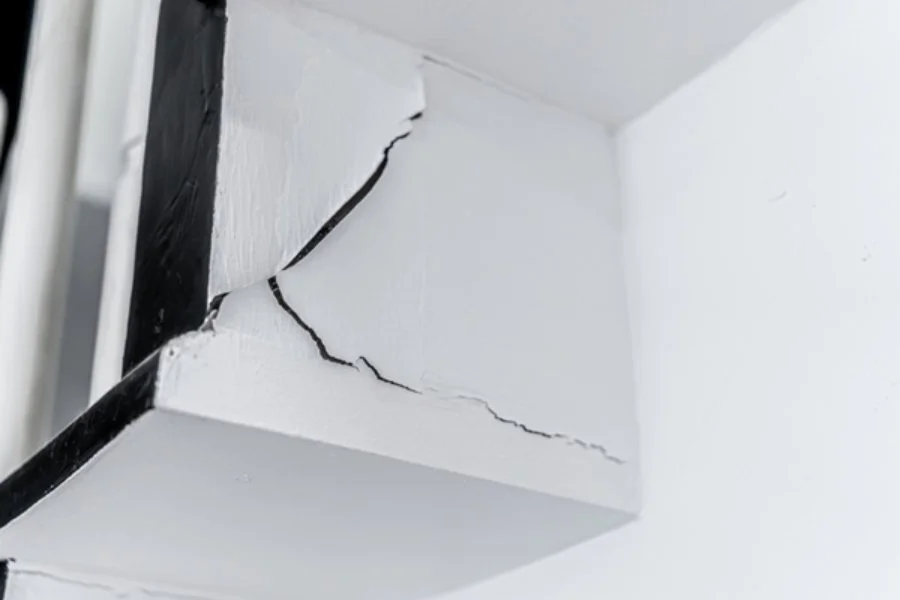
Potential material defect. Structural movement, cracking and shifting
The Definition
The InterNACHI Standards of Practice define a material defect as a specific issue with a system or component of a residential property that may have a significant, adverse impact on the value of the property, or that poses an unreasonable risk to people.
There are two main ideas at the heart of that definition: value and safety. If a problem could meaningfully reduce the home's value or could harm someone, it is likely a material defect.
Common Examples of Material Defects
Every home is different; no home is perfect. The home inspector uses experience and judgment to determine what is material. Material defects are the key factors to consider when making your decisions. Typical examples include:
· Structural problems:
Significant foundation cracking or settlement, or damaged framing.
· Roof failures:
Active leaks, missing or severely damaged roofing materials, or failed flashing.
· Electrical hazards:
Exposed wiring, overheating panels, missing ground-fault protection, or improper wiring.
· Plumbing issues:
Active leaks, failed drain lines, or conditions that allow water damage.
· Heating and cooling failures:
A system that does not operate with normal controls, or a heat exchanger in unsafe condition.
· Safety hazards:
Deck or stair railings with balusters spaced too far apart, or a deck pulling away from the house.
· Water intrusion:
Evidence of moisture entering the basement, crawl space, or living areas.
What Is Not a Material Defect?
Equally important is what falls outside the definition. The standards state that a component being near, at, or beyond the end of its normal useful life is not, in itself, a material defect. For example, a water heater may be old and rusty. It may not be as efficient or pretty as a new water heater. In the end, if it has a good flame and is making hot water, it is doing what it is intended to do. We may recommend budgeting for a replacement down the road.
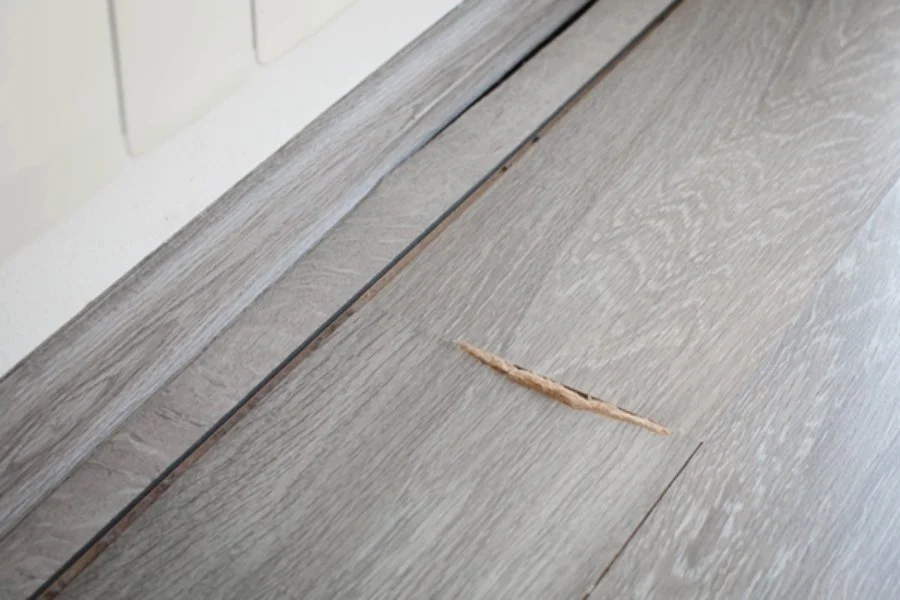
Slight damage to laminate flooring. Not a material defect
Cosmetic concerns, such as worn paint, scuffed flooring, worn carpet, or dated fixtures, are matters of taste and are not covered by the inspection. Minor maintenance items, such as a rusted gutter seam, may be noted as maintenance items in a report but are usually not material.
I once had a recently widowed lady tell me that she wasn’t going to buy a 20-year-old townhouse unless the sellers fixed a slightly torn screen in the kitchen window. It was documented in the report, but would you really walk away from a deal over a $25 screen repair?
Why the Distinction Matters
· Negotiation:
Material defects are the items buyers most often raise with sellers for repair, credits, or price adjustments.
· Safety:
Some defects put occupants at risk and should be addressed promptly.
· Budgeting:
Knowing what is a major issue helps buyers plan for costly repairs before closing.
· Disclosure:
Sellers benefit from knowing about significant issues before listing.
The Limits of an Inspection
A home inspection is a non-invasive, visual examination of accessible areas. It reflects conditions on the day of the inspection and does not predict future conditions. An inspection will not identify concealed or latent defects, such as faulty wiring behind a wall with no visible evidence, and it will not determine the property's market value or the advisability of purchasing the property. The inspector can only report what is observed and deemed material.
When we identify a significant issue, we may recommend further evaluation by a qualified specialist, such as a structural engineer, a licensed electrician, or a roofing contractor.
Summary
A home inspection is about providing you with clear, concise information. Focus on material defects, ask your inspector questions, confer with your Realtor, and use the report to move forward with confidence.
At HomePro Inspections, we are trained to identify these issues during home inspections. We document any problems and recommend resolution by a qualified professional.
Visit our website to learn more or to schedule your home inspection in the Rochester, Owatonna, and Faribault, MN areas. You can contact us today at (507) 202-8942, email us, or use our online “Schedule Now” feature to schedule an appointment.