
Expert Advice from Your Home Inspector
Winter’s cold temperatures can cause problems in older homes, especially with frozen water pipes. As a home inspector, I’ve seen how frozen pipes can lead to costly repairs and water damage. In this blog post, we’ll look at simple steps homeowners can take to prevent frozen water pipes and keep their homes safe and warm throughout the season.
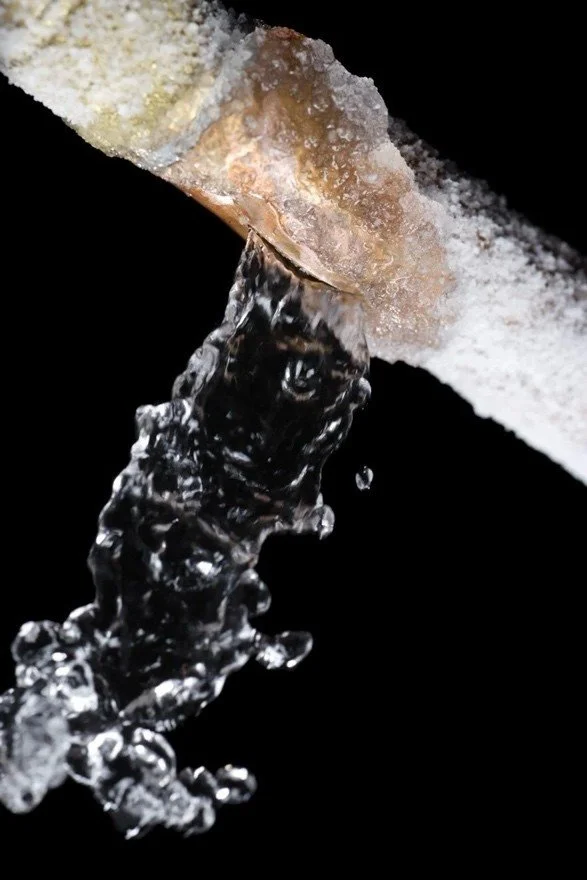
Frozen water pipe
Why Are Older Homes at Higher Risk?
Older homes often have outdated plumbing, less wall insulation, and more drafty spots than newer homes. These factors make their water pipes located in exterior walls especially vulnerable to freezing when temperatures drop. Understanding these risks is the first step toward preventing damage.
How Do Frozen Water Pipes Cause Damage?
When water inside pipes freezes, it expands, causing pressure buildup. This pressure can crack or burst pipes, leading to water leaks and severe property damage. Repairing burst pipes can be expensive and disruptive, so prevention is key.
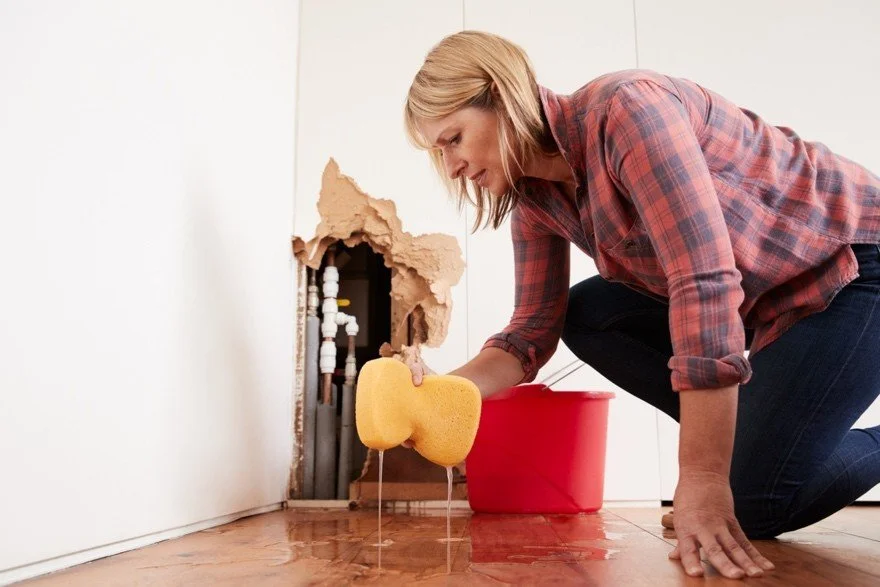
Cleaning up water from a frozen water pipe
Home Inspector’s Top Tips to Prevent Frozen Water Pipes
Use foam pipe insulation or heat tape on water pipes in unheated areas such as basements, attics, crawl spaces, and garages. Pay special attention to water pipes in or near exterior walls.
Inspect around windows, doors, and foundations for gaps where cold air could enter. Use caulk or weatherstripping to seal these gaps and retain warmth.
Keep your thermostat set to a consistent temperature, even at night. Don’t let it drop below 55°F, especially when you’re away from home.
On especially cold days or nights, open kitchen and bathroom cabinets on exterior walls to let warm air circulate around plumbing.
Allowing a trickle of cold water to run from faucets connected to vulnerable pipes can prevent freezing by keeping water moving.
Remove garden hoses and drain outdoor spigots before the first freeze. Shut off the exterior faucets’ valves if possible.
Signs of Frozen Water Pipes
No water coming from faucets.
Frost on exposed pipes
Strange odors from drains or faucets
Long-Term Solutions for Older Homes
Consider adding more insulation to attics, basements, and crawl spaces. Upgrading old pipes to modern, freeze-resistant materials can also offer long-term peace of mind.
Summary:
Frozen water pipes are a common winter concern for owners of older homes, but with proactive steps and regular home inspections, you can reduce the risk. If you suspect a water pipe is frozen, it’s important to act quickly. Turn off the main water supply and call a professional home inspector or plumber for help. Stay ahead of the cold and protect your home with these simple strategies. For more expert advice on winter home maintenance, consult a certified home inspector in your area. Visit the Google map.