
As a home inspector, ensuring the safety of a home’s water heater is a top priority during every inspection. One of the most critical—and often overlooked—components is the Temperature Pressure Relief Valve (TPRV). This small device is essential in safeguarding homeowners from potential disasters, highlighting its importance in every safety checklist.
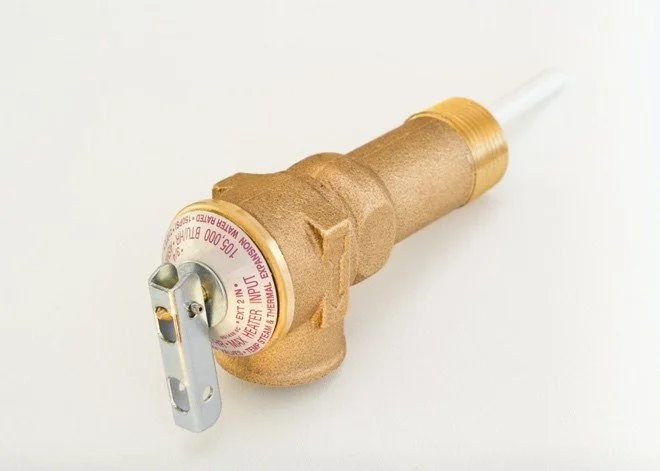
A Temperature Pressure Relief Valve (TPRV)
What Is a TPRV and Why Does It Matter?
The TPRV is a safety valve installed on all water heaters. Its main function is to automatically release water if the temperature or pressure inside the tank goes beyond safe limits. Without the TPRV, excessive heat or pressure could cause the tank to rupture or even explode, leading to dangerous and costly situations for homeowners.
How Home Inspectors Evaluate the TPRV
During a home inspection, a qualified inspector will examine the water heater's TPRV to make sure it is properly installed. This includes checking for correct placement, ensuring the discharge pipe is clear and safely directed, and looking for any signs of leaks or corrosion. These steps are important to confirm that the water heater’s safety features are functioning properly.
What can happen if a TRPV Malfunctions?
If a Temperature and Pressure Relief Valve (TPRV) malfunctions, it can pose serious safety hazards. Without proper operation, excessive pressure or temperature inside a system—such as a water heater—may accumulate, risking tank rupture or explosion. Additionally, a faulty TPRV can cause water leaks, property damage, and increase the risk of injury to occupants. Regular inspection and maintenance are crucial to ensure the TPRV works properly and prevents dangerous situations.
To demonstrate the potential of an exploding water heater, take some time to watch this video from MythBusters.
A water heater can explode and launch if the internal pressure gets too high. This is a very rare occurrence to have a tank explode, but it can happen with defective TPRVs..
Homeowner Tips for TPRV Safety
Test the TPRV periodically according to the manufacturer’s instructions.
Regularly check for signs of leaks, rust, or corrosion around the valve and discharge pipe.
Never cap or block the discharge pipe, as this can prevent the valve from working properly.
Testing your TPRV
Regular maintenance can greatly enhance performance and keep your water heater safe. Spend a few minutes twice a year doing essential tasks, such as inspecting the water heater TPRV.
Lift the lever on your TPR valve up and down multiple times. This should open the valve and let water drain out of the pipe.
A sufficient amount of water should flow from your water heater. If there is no water or just a trickle, you should have your water heater serviced.
If water keeps flowing out of your discharge tube after you have closed the TPR valve, there might be debris stuck in the valve. Open and close the valve several times to clear anything that may be preventing it from shutting properly.
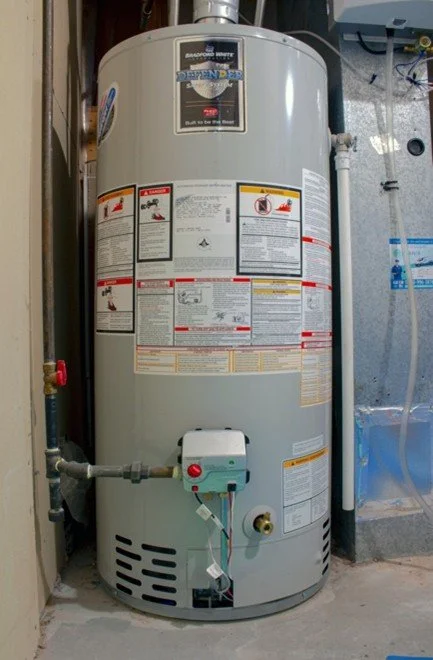
A temperature Pressure Relief Valve TPRV and discharge tube (right side)
Summary:
In summary, the TPRV is an essential safety feature on every water heater, protecting your home and loved ones from potentially dangerous malfunctions. By understanding its role and making sure it’s regularly checked, homeowners can have peace of mind and a safer living space. If you’re uncertain about the condition of your water heater or its TPRV, don’t hesitate to contact a certified home inspector for a thorough safety check.
At HomePro Inspections, we are trained to identify these issues during home inspections. Any problems are documented and recommended for resolution by a qualified professional.
Visit our website to learn more or to schedule your home inspection in the Rochester, Owatonna, and Faribault, MN areas. You can contact us today at (507) 202-8942, email us, or use our online “Schedule Now” feature to schedule an appointment.