
As a seasoned home inspector in Minnesota, I often see homeowners worried about condensation forming on their windows during the cold winter months. While this is a common occurrence, it can lead to bigger problems if not addressed, such as mold growth and wood rot. In this blog post, I’ll explain why condensation happens, its potential risks, and practical steps you can take to reduce it, all from a professional home inspection perspective.
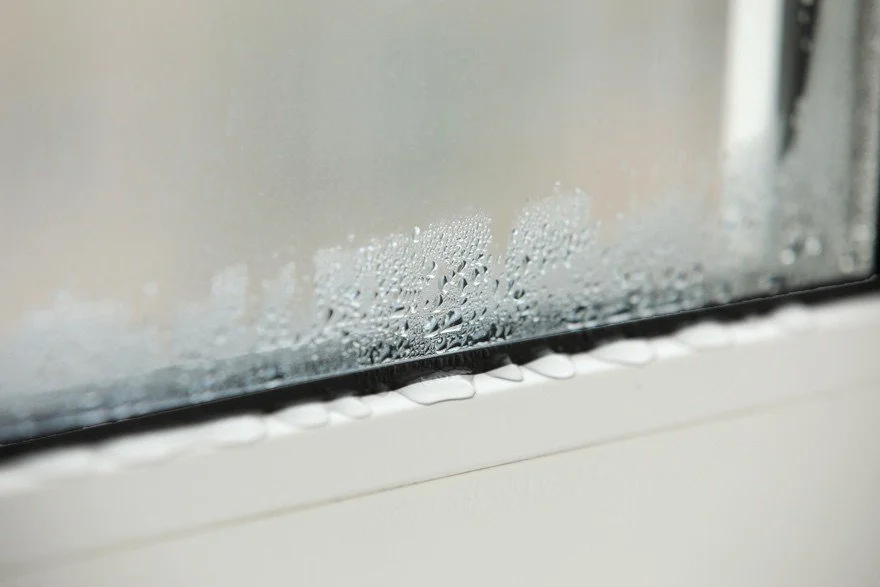
Condensation on a window
What Causes Condensation on Windows?
Condensation occurs when warm, humid indoor air encounters cold window glass, leading to water droplets forming on the surface. Minnesota’s cold winters make this issue more noticeable because of the large temperature gap between the inside and outside of your home. Factors that contribute to condensation include high indoor humidity, poor ventilation, and inefficient windows.
Why Should You Be Concerned About Condensation?
During a home inspection, noticeable condensation on windows often indicates underlying problems. Ongoing moisture can damage window frames, encourage mold and mildew growth, and eventually weaken your home’s structure. Fixing condensation isn’t just about looks, it’s about keeping a healthy living space and safeguarding your investment.
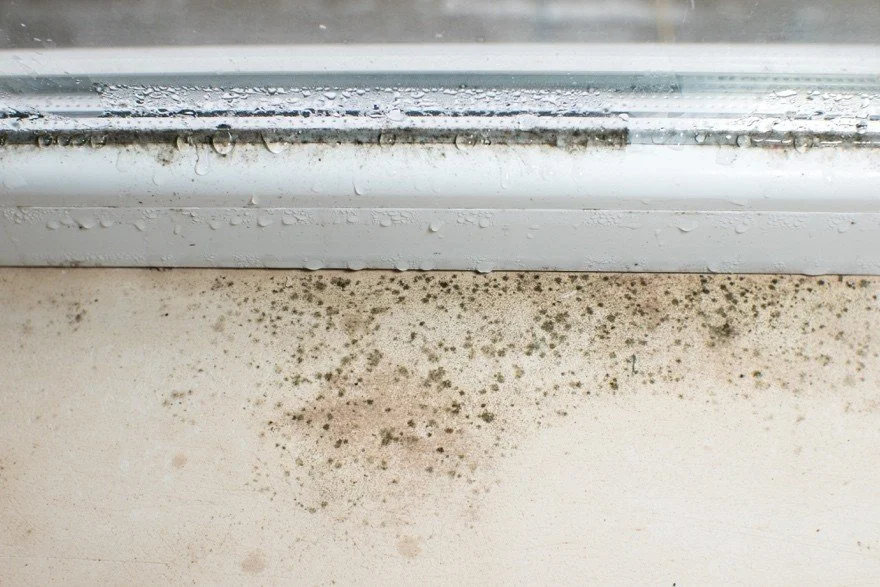
Mold/mildew on a window frame and sill
Home Inspector Tips to Reduce Condensation on Windows
· Monitor Indoor Humidity
o Use a hygrometer to keep your home’s humidity levels between 30% and 50%.
o Higher humidity increases the chance of window condensation, especially when outside temperatures drop.
· Improve Ventilation
o Run exhaust fans in bathrooms and kitchens and make sure your home’s ventilation system works properly. Good air circulation helps remove excess moisture and reduces condensation.
· Use a Dehumidifier if your humidity levels are too high.
o In areas prone to high humidity, especially basements and bedrooms, a dehumidifier can be very helpful. It pulls moisture from the air, helping prevent condensation.
· Upgrade Your Windows, older single-pane windows are often seen as a main cause.
· Seal Leaks and Insulate.
o Check for drafts near windows and doors. Properly sealed and insulated windows not only save energy but also help cut down condensation by reducing cold spots.
· Open Blinds and Curtains. While it might seem odd, leaving window coverings open allows warm air to move across the glass, lowering the risk of condensation buildup.
Summary
Condensation on windows is a common problem for Minnesota homeowners every winter. By understanding the causes and using these home inspector-approved strategies, you can keep your windows clear and your home healthy. For peace of mind, consider scheduling a home inspection to address any remaining moisture issues before they become major problems.
At HomePro Inspections, our home inspectors are trained to examine the windows, their function, and identify any defects. Any issues are documented in your home inspection report, with recommendations for repair by a qualified professional. Visit our website to learn more or to schedule your home inspection in the Rochester, Owatonna, and Faribault, MN areas. You can contact us today at (507) 202-8942 or utilize our online “Schedule Now” feature to set up an appointment.