
Homeowner tips Rochester MN

How to Get Rid of Condensation on Windows During the Minnesota Winter

As a seasoned home inspector in Minnesota, I often see homeowners worried about condensation forming on their windows during the cold winter months. While this is a common occurrence, it can lead to bigger problems if not addressed, such as mold growth and wood rot. In this blog post, I’ll explain why condensation happens, its potential risks, and practical steps you can take to reduce it, all from a professional home inspection perspective.
cold winter

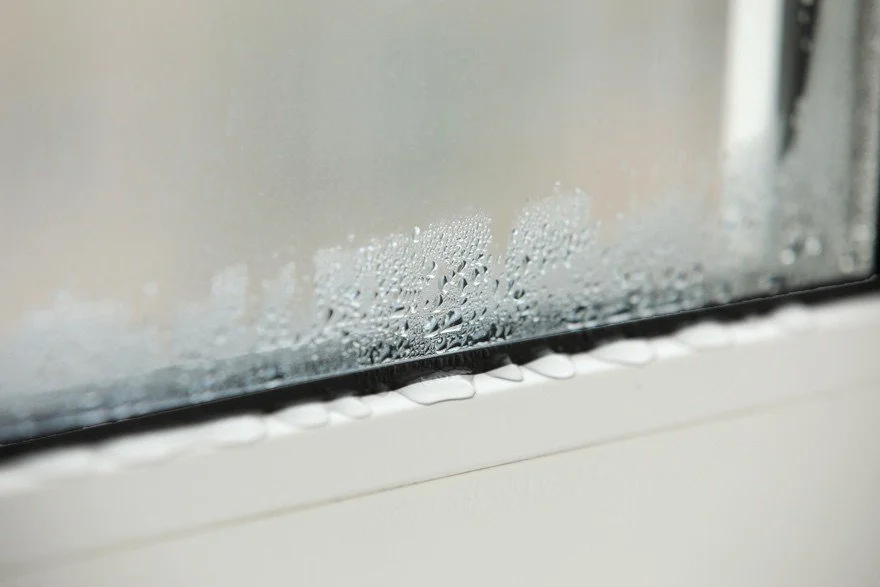
Condensation on a window

What Causes Condensation on Windows?

Condensation occurs when warm, humid indoor air encounters cold window glass, leading to water droplets forming on the surface. Minnesota’s cold winters make this issue more noticeable because of the large temperature gap between the inside and outside of your home. Factors that contribute to condensation include high indoor humidity, poor ventilation, and inefficient windows.

Why Should You Be Concerned About Condensation?

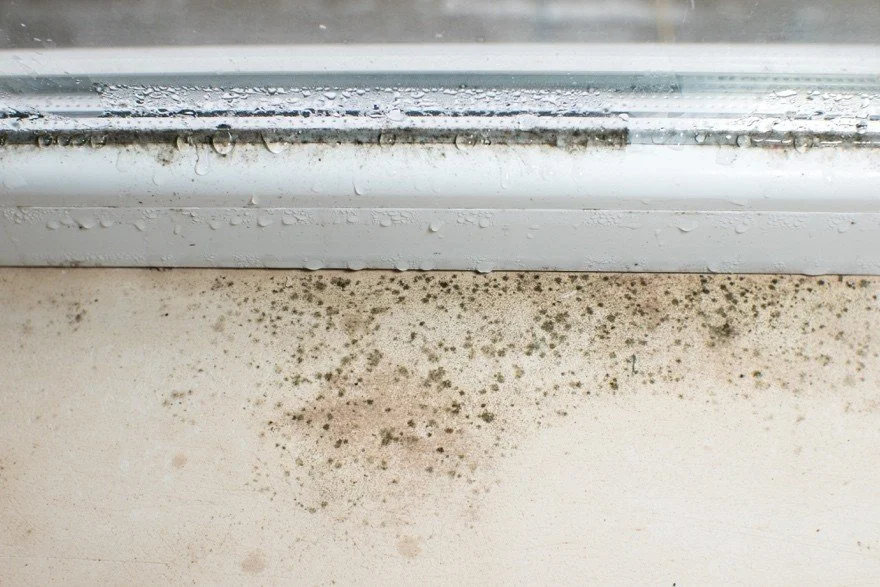
During a home inspection, noticeable condensation on windows often indicates underlying problems. Ongoing moisture can damage window frames, encourage mold and mildew growth, and eventually weaken your home’s structure. Fixing condensation isn’t just about looks, it’s about keeping a healthy living space and safeguarding your investment.
Water damage

Mold/mildew on a window frame and sill


Home Inspector Tips to Reduce Condensation on Windows

·         Monitor Indoor Humidity

o   Use a hygrometer to keep your home’s humidity levels between 30% and 50%.

o   Higher humidity increases the chance of window condensation, especially when outside temperatures drop.

·         Improve Ventilation

o   Run exhaust fans in bathrooms and kitchens and make sure your home’s ventilation system works properly. Good air circulation helps remove excess moisture and reduces condensation.

·         Use a Dehumidifier if your humidity levels are too high.

o   In areas prone to high humidity, especially basements and bedrooms, a dehumidifier can be very helpful. It pulls moisture from the air, helping prevent condensation.

·         Upgrade Your Windows, older single-pane windows are often seen as a main cause.

·         Seal Leaks and Insulate.

o   Check for drafts near windows and doors. Properly sealed and insulated windows not only save energy but also help cut down condensation by reducing cold spots.

·         Open Blinds and Curtains. While it might seem odd, leaving window coverings open allows warm air to move across the glass, lowering the risk of condensation buildup.

Summary

Condensation on windows is a common problem for Minnesota homeowners every winter. By understanding the causes and using these home inspector-approved strategies, you can keep your windows clear and your home healthy. For peace of mind, consider scheduling a home inspection to address any remaining moisture issues before they become major problems.

At HomePro Inspections, our home inspectors are trained to examine the windows, their function, and identify any defects. Any issues are documented in your home inspection report, with recommendations for repair by a qualified professional. Visit our website to learn more or to schedule your home inspection in the Rochester, Owatonna, and Faribault, MN areas. You can contact us today at (507) 202-8942 or utilize our online “Schedule Now” feature to set up an appointment.
Winterizing Tips for Homeowners: The Hidden Risks of Leaving Hoses Connected

As temperatures drop across Minnesota many homeowners start thinking about winterizing their homes. One of the most overlooked home winterizing hacks is disconnecting outdoor garden hoses before the first freeze. It may seem like a small task but neglecting it can lead to major plumbing issues and costly repairs.

Clothes dryer

How Leaving Hoses Connected Can Lead to Frozen Pipes

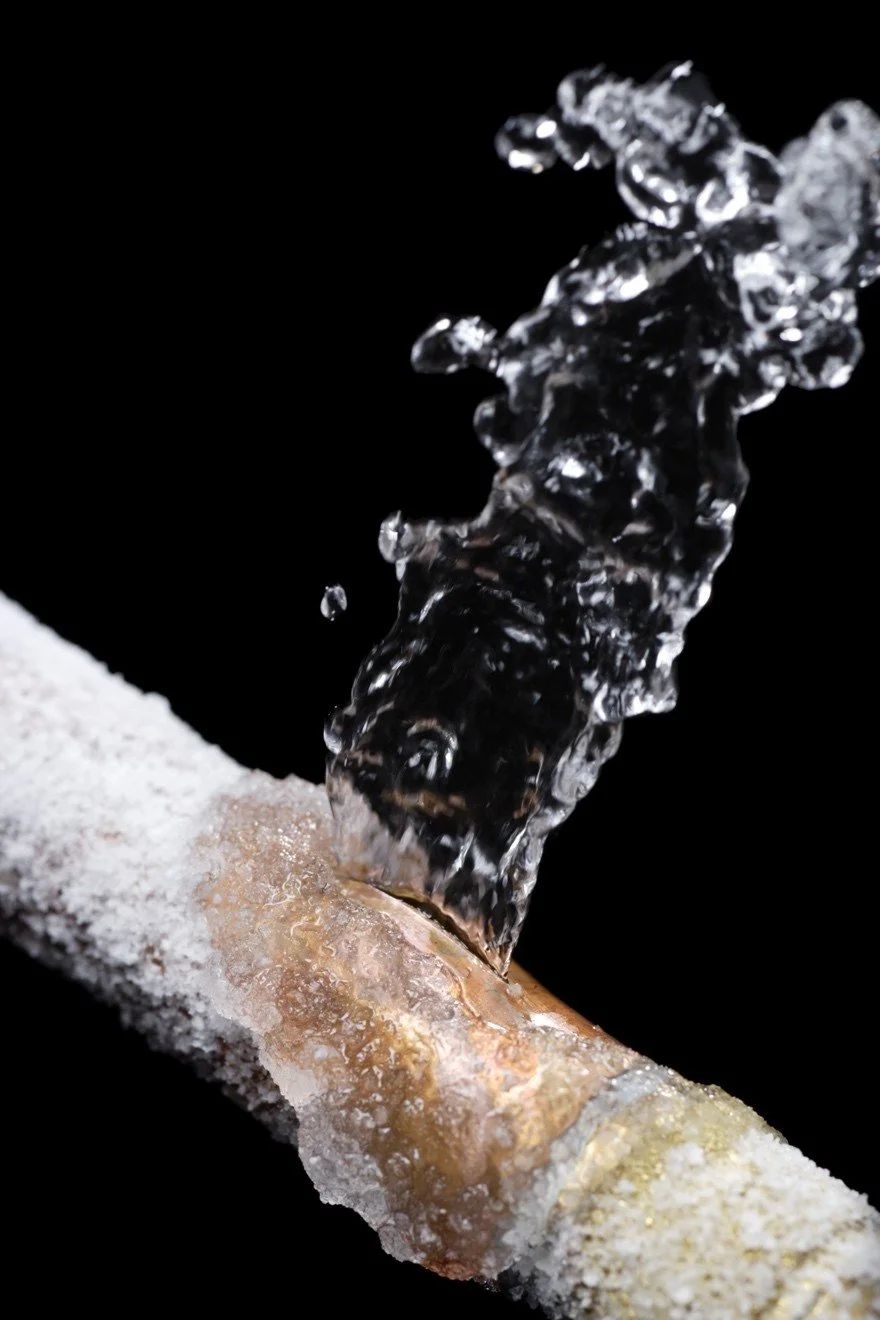
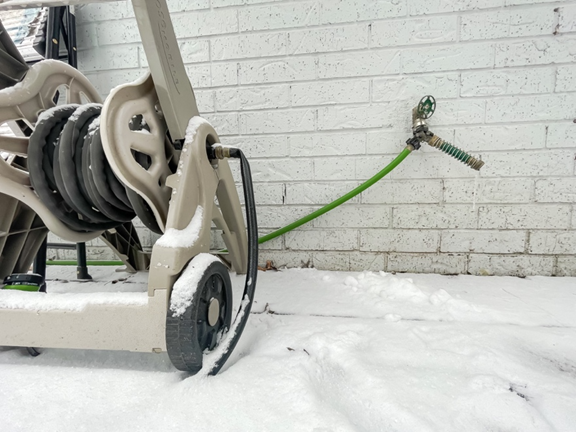
When a garden hose remains attached to an outdoor faucet, water becomes trapped in the hose and connected pipes. As temperatures fall below freezing, that trapped water can freeze and expand. Because water in enclosed plumbing lines has nowhere to go, pressure builds up, eventually causing pipes to crack, split, or burst.

If this happens, the result can be severe water damage inside your home once the ice thaws. Understanding how to avoid frozen pipes begins with this simple preventative step.

Water spigot

Potential Costs and Complications of Frozen Pipes

A frozen or burst pipe can cause hundreds or even thousands of dollars in repairs. The damage often extends beyond the pipe itself, affecting walls, floors, and even a home’s foundation. Secondary problems like mold growth and structural damage can develop if leaks go unnoticed.

Insurance coverage may be limited or denied if regular maintenance, like disconnecting hoses and draining outdoor faucets, is neglected. That’s why following professional home inspection services and seasonal maintenance advice is so important.

Home Winterizing Hacks: Simple Steps to Prevent Disasters

Before the first deep freeze hits, take these steps to protect your home:

·        Disconnect all garden hoses from outdoor faucets and store them indoors.

·        Drain hoses completely to prevent cracks caused by expanding ice.

·        Shut off and drain outdoor faucets using the interior shut-off valve, if available.

·        Install insulated faucet covers for added protection against freezing.

Extra Winterizing Tips for Homeowners

·        Inspect outdoor faucets for leaks or drips before winter. Even a slow leak can freeze and cause significant damage.

·        Winterize irrigation systems according to the manufacturer’s instructions to prevent damage to sprinkler lines.

·        Upgrade to frost-free hose bibs if you live in an area with frequent sub-zero temperatures. An easy long-term investment in peace of mind.

Why Home Inspection Services Matter for Winter Prep

At HomePro Inspections, our licensed inspectors are trained to identify plumbing and insulation issues that can make your home vulnerable during winter. During a comprehensive home inspection, we check your plumbing systems, insulation, and exterior features to help you uncover potential weak spots before the cold weather arrives.

If you’re buying or selling a home this season, our home inspection services can also help you ensure everything is in working order before temperatures drop.

Protect Your Home This Winter

Disconnecting your garden hoses before freezing weather arrives is one of the simplest and most effective winterizing tips for homeowners. A few minutes of prevention can save you from thousands in repair costs and countless headaches in the spring.

Our inspectors proudly serve Rochester, Owatonna, and Faribault, MN, and surrounding areas. To learn more or to schedule your home inspection, contact us today at (507) 202-8942 or utilize our online “Schedule Now” feature to set up an appointment.