
Understanding the Risks and Solutions for Aluminum Wiring in Residential Properties
If you’re a homeowner or looking to purchase a home built between the mid-1960s and late 1970s, you might hear your home inspector raise concerns about aluminum branch wiring. While aluminum wiring was once considered a cost-effective alternative to copper, it has since been identified as a potential safety hazard in residential electrical systems.
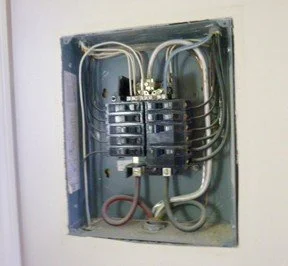
No aluminum branch wiring found in this mid 70’s panel
In my 23 years as a home inspector, I can say that I have come across fewer than a handful of homes with aluminum wiring. All except one were resolved with updated breakers and receptacles.
Why Is Aluminum Branch Wiring Unsafe?
Aluminum wiring is more susceptible to certain issues compared to its copper counterpart. Over time, aluminum expands and contracts more than copper, which can cause connections to loosen at outlets, switches, and junction boxes. These loose connections can lead to overheating, sparking, and, in worst-case scenarios, fire. Additionally, aluminum is prone to oxidation, which increases resistance and further elevates the risk of overheating.
Safety and Regulatory Context
Fire Risk: The U.S. Consumer Product Safety Commission (CPSC) reports that homes with pre-1972 aluminum branch wiring are 55 times more likely to have fire hazards than those with copper, primarily due to overheating at connection points.
1972 Alloy Change: In 1972, the formula for aluminum wiring was changed to a safer alloy, though its use for branch circuits still declined shortly thereafter.
Insurance & Inspections: Many modern insurance companies in Minnesota may refuse coverage or charge higher premiums for homes with uncorrected aluminum wiring.
How Home Inspectors Identify the Issue
During a home inspection, a qualified home inspector will examine visible wiring at the electrical panel and inside receptacle boxes. They’ll look for markings that indicate aluminum wiring, such as “AL” or “ALUMINUM” printed on the wire sheathing. If aluminum wiring is present, they’ll note it in their report and recommend further evaluation by a licensed electrician.
Resolving Aluminum Wiring Problems
Fortunately, homeowners have several options to manage the risks linked to aluminum branch wiring. The most thorough solution is to rewire the home with copper, which effectively removes the issue. However, rewiring can be expensive and disruptive. An alternative method is using “alumiconn” or “copalum” crimp connectors, which are approved techniques for creating safe connections between aluminum and copper wiring at outlets and switches. These repairs should always be carried out by a licensed electrician experienced in aluminum wiring remediation.
Breakers and Receptacles Approved for Aluminum Wiring
Besides connection methods, home inspectors often closely examine circuit breakers and receptacles when aluminum branch wiring exists. Not all electrical devices are made to safely handle aluminum conductors, and using incompatible parts can greatly raise the chances of overheating and failure.
Certain circuit breakers are specially rated for aluminum wiring and are marked accordingly by the manufacturer. These breakers are designed to accommodate aluminum’s expansion, contraction, and oxidation properties. If aluminum branch wiring is connected to breakers that are not approved for aluminum conductors, inspectors will usually recommend evaluation and correction by a licensed electrician.
Similarly, standard outlets and switches are typically designed for copper wiring only. Devices approved for use with aluminum wiring are clearly marked with labels such as “CO/ALR” (Copper-Aluminum Revised). These receptacles and switches are built with materials and contact designs that help prevent loosening, arcing, and overheating when used with aluminum conductors. Older devices without this rating are a common concern during inspections.
It’s important to understand that simply installing aluminum-rated breakers or CO/ALR devices does not eliminate all risks related to aluminum branch wiring. These components are part of a broader safety approach and work best when used alongside approved connection methods, like proper pigtailing with listed connectors. Any upgrades or replacements should always be handled by a qualified electrician experienced with aluminum wiring systems.
Summary
If your home inspector flags aluminum branch wiring, don’t ignore the recommendation. Addressing this issue proactively can protect your property, ensure the safety of its occupants, and may be required for certain home insurance policies. Always consult with a qualified professional when dealing with aluminum wiring in your home.
At HomePro Inspections, we are trained to identify these issues during home inspections. Any problems are documented and recommended for resolution by a qualified professional.
Visit our website to learn more or to schedule your home inspection in the Rochester, Owatonna, and Faribault, MN areas. You can contact us today at (507) 202-8942, email us, or use our online “Schedule Now” feature to schedule an appointment.