
Introduction
As a Home Inspector, one of the most common electrical safety features we encounter during a home inspection is the Ground Fault Circuit Interrupter, or GFCI. GFCIs have become a standard requirement in kitchens, bathrooms, garages, and other areas where electrical outlets might be exposed to moisture. But what happens if a GFCI is installed on a circuit with an open ground? Let’s explore this important topic for homeowners, buyers, and fellow inspectors.
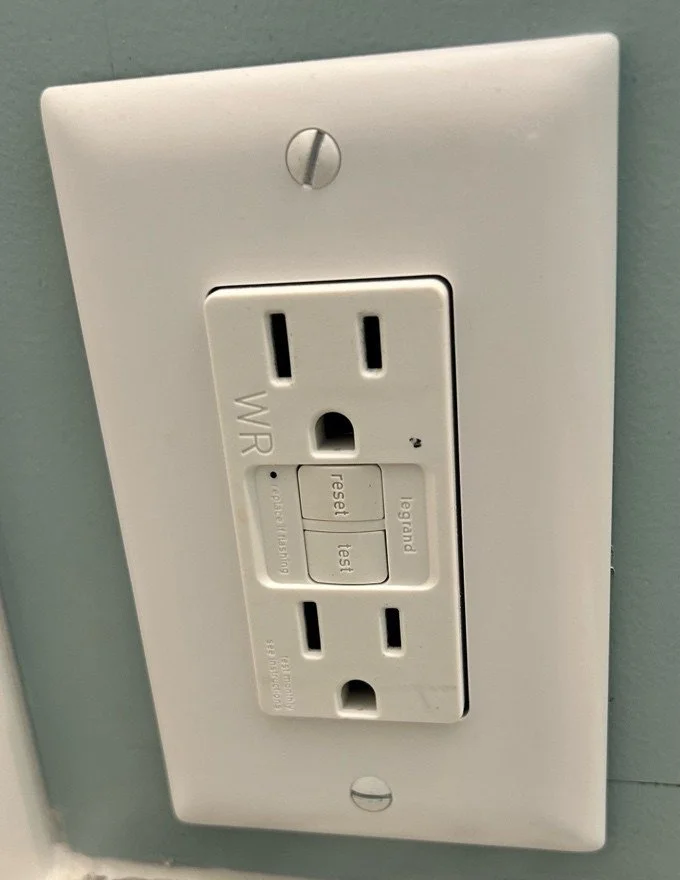
GFCI Outlet
What Is a GFCI?
A GFCI is a special outlet that protects people from electrical shock by monitoring the flow of current between the hot and neutral wires. If the GFCI detects an imbalance—such as current leaking to ground through a person, it quickly shuts off power to the outlet, which can save lives.
What Is an Open Ground?
An "open ground" condition occurs when the ground wire at an outlet is disconnected or missing. This can happen in older homes or because of wiring problems. The ground wire is essential for safely directing stray electricity away from people and sensitive equipment.
How GFCIs Work with an Open Ground
Many homeowners are surprised to learn that a GFCI can still operate and provide shock protection even when installed on a circuit with an open ground. The GFCI does not need a ground wire to detect ground faults; it monitors the current balance between the hot and neutral wires. If it detects a difference, it trips, cutting off the power.
However, while the GFCI can protect against electrical shock, it does not supply a ground connection for equipment or appliances. Devices plugged into a GFCI outlet with an open ground might not be adequately protected from surges or may not function properly. For example, surge protectors and certain electronics need a solid ground to work effectively.
Home Inspection Perspective
During a home inspection, finding a GFCI outlet on a circuit with an open ground is common, especially in older homes. As a home inspector, I always recommend noting this condition in the report. While the GFCI offers some level of protection, the absence of a ground wire is a safety concern that a licensed electrician should resolve.
If a GFCI is installed without a ground, the National Electrical Code (NEC) requires the outlet to be labeled “No Equipment Ground.” This informs users that, although the outlet is protected from ground faults, it is not grounded.
Limitations of GFCIs on Open Ground Circuits
· No Equipment Grounding: While a GFCI protects people from electric shocks, it does not provide equipment grounding. Devices that depend on a ground connection for safe operation, such as metal-cased appliances, will not be grounded and could still pose a hazard if a fault occurs.
· Code Requirements: The National Electrical Code (NEC) permits installing GFCI receptacles instead of standard outlets on ungrounded circuits, but the outlets must be labeled "No Equipment Ground" to notify users that no grounding is available.
· Testing GFCIs: The test button on a GFCI will still operate and trip the device, even without a ground wire. However, external plug-in testers that simulate faults to ground will not trip the GFCI in an open ground situation, which may lead to confusion.
Practical Applications
Installing a GFCI on an open ground circuit is a common safety upgrade in older homes where rewiring for grounding is not practical. It enhances safety by providing shock protection but is not a replacement for proper grounding when it comes to protecting equipment or complying with all code requirements for new installations.
Summary
Understanding how GFCIs work with an open ground is essential for maintaining a safe home environment. While these devices offer important protection, they should not replace proper grounding. If you’re buying, selling, or maintaining a home, ensure your electrical system is thoroughly inspected by a qualified Home Inspector during your next home inspection.
At HomePro Inspections, our home inspectors are trained to examine the electrical systems and their function and identify any defects. Any issues are documented in your home inspection report, with recommendations for repair by a qualified professional.
Visit our website to learn more or to schedule your home inspection in the Rochester, Owatonna, and Faribault, MN areas. You can contact us today at (507) 202-8942 or utilize our online “Schedule Now” feature to set up an appointment.