
Home owner tips Minnesota

Make Home Maintenance Your New Year’s Resolution for 2026

The new year is the perfect time to set goals, and what better goal than taking better care of your home? You don’t need to tackle everything at once. Start with a plan, stick to it, and remember: the internet is full of resources to guide you. Do your homework and be honest about your skill level before diving into any project.
Home maintenance tips collage

Start with a Home Inspection

Think like a home inspector. If you’ve had an inspection before, pull out that report. It’s a great roadmap. Walk through your home and check the same areas: structure, systems, and safety. Make notes and prioritize what you find. Break it down into “must do,” “should do,” and “nice to do.” Factor in costs and set a realistic budget.


Build an Emergency Repair Fund

Homeownership comes with surprises. Setting aside 1% to 3% of your home’s value each year for maintenance and repairs can save you stress down the road. Even a small monthly contribution adds up and helps you handle unexpected expenses without breaking the bank.


Keep Your HVAC in Shape

Your heating and cooling systems work hard so don’t ignore them. Schedule annual maintenance to keep them running efficiently. A neglected system costs more to operate and can fail when you need it most. Change filters on schedule, too. Dirty filters restrict airflow, raise energy bills, and shorten equipment life. Stock up so you’re never caught without one.


Clean That Dryer Vent

A clogged dryer vent isn’t just inefficient; it’s a fire hazard. Clean it at least once a year, or more often if your dryer cycles are getting longer. If the vent is hard to reach, hire a pro.


Test Smoke and CO Detectors

Safety first. Test your smoke and carbon monoxide detectors regularly, replace batteries, and swap out units every 7 to 10 years. Too many homes still have detectors well past their expiration date.


Check Gutters and Downspouts

Water is your home’s enemy. Clean gutters and make sure downspouts direct water away from the foundation. If your roof is steep or high, hire a professional. Remember: one inch of rain on 1,000 square feet equals about 630 gallons of water. Don’t let that pool near your house!


Inspect Doors, Windows, and Seals

Drafty doors and windows waste energy. Check seals and replace any that are worn or damaged. A simple smoke stick or lighter flame can help you spot leaks.


Deep-Clean Kitchen Appliances

Pull out your appliances and clean underneath. Dust refrigerator coils for better efficiency, run your oven’s cleaning cycle, and wash vent filters. These small steps keep your kitchen running smoothly.


Keep an Eye on Your Roof

Inspect your roof after storms and in the spring. Look for damaged shingles and remove debris. If climbing up isn’t safe, use binoculars from the ground. Address issues early as they only get worse with time.


Maintain Your Fireplace

Wood-burning fireplaces need annual cleaning and inspection. Gas units should be serviced yearly, too. It’s about efficiency and safety.


Trim Trees and Shrubs

Branches rubbing against siding or shingles can cause damage and give critters a path to your roof. Trim annually, especially in late fall or winter when trees are bare.


Summary

Regular maintenance protects your biggest investment and saves money in the long run. Plus, you’ll pick up new skills and get the satisfaction of a job well done. If something looks off, fix it now—problems don’t solve themselves.


At HomePro Inspections, our home inspectors are trained to inspect the areas addressed in this article. Any issues are documented in your home inspection report and recommended for resolution by qualified professionals.


Visit our website to learn more or to schedule your home inspection in the Rochester, Owatonna, and Faribault, MN areas. You can contact us today at (507) 202-8942 or utilize our online “Schedule Now” feature to set up an appointment.
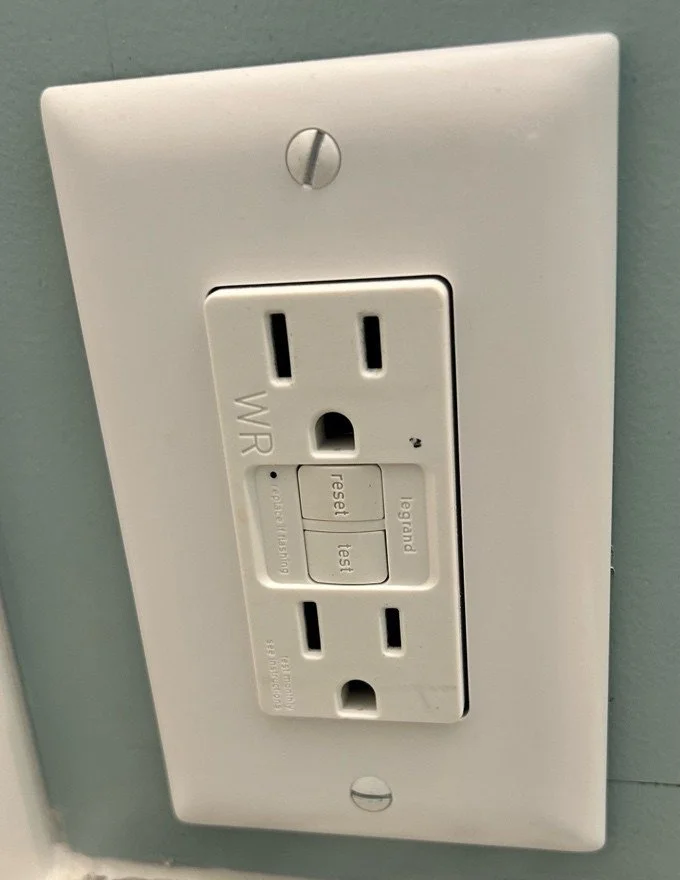
How GFCIs Work With An Open Ground

Introduction

As a Home Inspector, one of the most common electrical safety features we encounter during a home inspection is the Ground Fault Circuit Interrupter, or GFCI. GFCIs have become a standard requirement in kitchens, bathrooms, garages, and other areas where electrical outlets might be exposed to moisture. But what happens if a GFCI is installed on a circuit with an open ground? Let’s explore this important topic for homeowners, buyers, and fellow inspectors.

Electrical outlet

GFCI Outlet

What Is a GFCI?

A GFCI is a special outlet that protects people from electrical shock by monitoring the flow of current between the hot and neutral wires. If the GFCI detects an imbalance—such as current leaking to ground through a person, it quickly shuts off power to the outlet, which can save lives.


What Is an Open Ground?

An "open ground" condition occurs when the ground wire at an outlet is disconnected or missing. This can happen in older homes or because of wiring problems. The ground wire is essential for safely directing stray electricity away from people and sensitive equipment.


How GFCIs Work with an Open Ground

Many homeowners are surprised to learn that a GFCI can still operate and provide shock protection even when installed on a circuit with an open ground. The GFCI does not need a ground wire to detect ground faults; it monitors the current balance between the hot and neutral wires. If it detects a difference, it trips, cutting off the power.


However, while the GFCI can protect against electrical shock, it does not supply a ground connection for equipment or appliances. Devices plugged into a GFCI outlet with an open ground might not be adequately protected from surges or may not function properly. For example, surge protectors and certain electronics need a solid ground to work effectively.


Home Inspection Perspective

During a home inspection, finding a GFCI outlet on a circuit with an open ground is common, especially in older homes. As a home inspector, I always recommend noting this condition in the report. While the GFCI offers some level of protection, the absence of a ground wire is a safety concern that a licensed electrician should resolve.

If a GFCI is installed without a ground, the National Electrical Code (NEC) requires the outlet to be labeled “No Equipment Ground.” This informs users that, although the outlet is protected from ground faults, it is not grounded.


Limitations of GFCIs on Open Ground Circuits

·       No Equipment Grounding: While a GFCI protects people from electric shocks, it does not provide equipment grounding. Devices that depend on a ground connection for safe operation, such as metal-cased appliances, will not be grounded and could still pose a hazard if a fault occurs.

·       Code Requirements: The National Electrical Code (NEC) permits installing GFCI receptacles instead of standard outlets on ungrounded circuits, but the outlets must be labeled "No Equipment Ground" to notify users that no grounding is available.

·       Testing GFCIs: The test button on a GFCI will still operate and trip the device, even without a ground wire. However, external plug-in testers that simulate faults to ground will not trip the GFCI in an open ground situation, which may lead to confusion.


Practical Applications

Installing a GFCI on an open ground circuit is a common safety upgrade in older homes where rewiring for grounding is not practical. It enhances safety by providing shock protection but is not a replacement for proper grounding when it comes to protecting equipment or complying with all code requirements for new installations.


Summary

Understanding how GFCIs work with an open ground is essential for maintaining a safe home environment. While these devices offer important protection, they should not replace proper grounding. If you’re buying, selling, or maintaining a home, ensure your electrical system is thoroughly inspected by a qualified Home Inspector during your next home inspection.


At HomePro Inspections, our home inspectors are trained to examine the electrical systems and their function and identify any defects. Any issues are documented in your home inspection report, with recommendations for repair by a qualified professional.


Visit our website to learn more or to schedule your home inspection in the Rochester, Owatonna, and Faribault, MN areas. You can contact us today at (507) 202-8942 or utilize our online “Schedule Now” feature to set up an appointment.
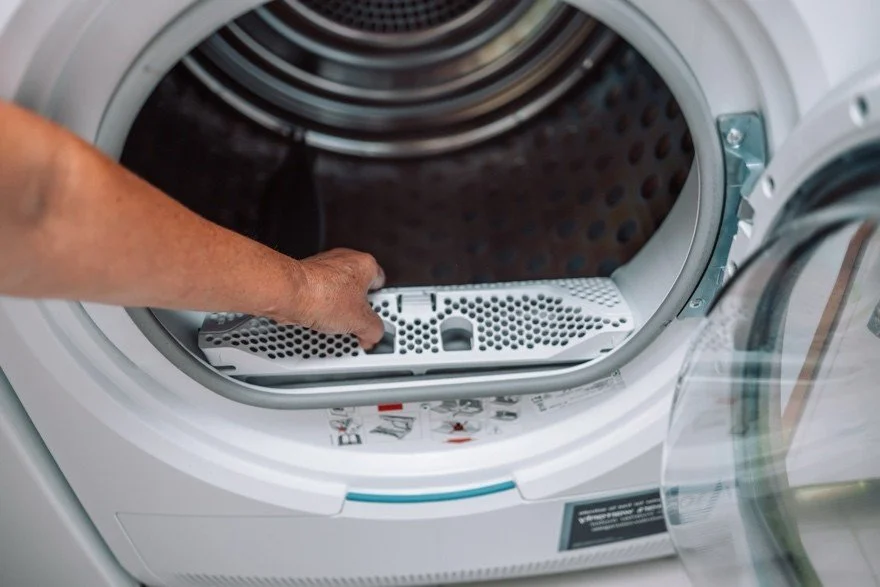
 

Why Keeping Your Dryer Vent Clean Matters - Understanding Hazards, Energy Efficiency, and Maintenance Frequency

The Importance of a Clean Dryer Vent

Every homeowner strives for a safe and energy-efficient home, but one area that’s often overlooked is the dryer vent. As a Minnesota home inspector, I’ve seen firsthand the dangers that occur when dryer vents are ignored. Regular maintenance not only keeps your family safe but also boosts your dryer’s performance and lowers energy costs.

Dryer vent

Dirty dryer vent at the exterior of the home

Fire Hazards from Dryer Vents

The 2020 National Fire Protection Association (NFPA) statistics show that there are between 15,000 and 17,000 fires each year in the United States caused by clothes washers and dryers. Clothes dryer fires injure around 380 people and are responsible for as many as 50 deaths per year. The leading cause (34%) of these fires is a failure to clean or replace defective dryer vents. During home inspections, our HomePro Inspections professionals have found many dryer vents that are plugged, damaged, made of improper materials, or improperly installed.

Impact on Energy Efficiency and Appliance Longevity

When your dryer vent is blocked, your appliance has to work harder and longer to dry clothes. This inefficiency not only wastes energy but also increases your utility bills. Over time, the extra strain can shorten your dryer’s lifespan, leading to costly repairs or early replacement.

Recommended Maintenance Frequency

Home inspectors and safety experts recommend cleaning your dryer vent at least once a year. However, if you have a large family, pets, or do laundry frequently, consider inspecting and cleaning the vent every six months. Signs that your dryer vent needs attention include clothes taking longer to dry, the dryer feeling unusually hot, or a burning smell during operation.

Lint filter

Clean your lint trap after every use

How to Maintain a Safe and Efficient Dryer Vent

  • ·       Clean the lint trap after each use.

  • ·       Regularly check the exterior vent outlet.

  • ·       Schedule annual (or semi-annual) professional dryer vent cleanings, especially if the vent route is long or has multiple bends.

  • ·       Watch for warning signs, such as longer drying times or strange odors.

Summary:

Keeping your dryer vent clean is an easy and essential task for any homeowner. It not only prevents hazards but also boosts energy efficiency and extends your appliance's lifespan. Make dryer vent cleaning a regular part of your home maintenance to protect your family and save money over time.

Our inspectors proudly serve Rochester, Owatonna, and Faribault, MN, and surrounding areas. To learn more or to schedule your home inspection, contact us today at (507) 202-8942 or utilize our online “Schedule Now” feature to set up an appointment.