
Why and How to Drain Your Water Heater
Essential Maintenance Tips for Homeowners
As a home inspector, I’ve seen firsthand how routine maintenance can prevent costly repairs and extend the life of your home’s essential systems. One of the most overlooked but crucial tasks is draining your water heater. In this post, I’ll explain why this maintenance step is important and walk you through how to do it safely and effectively.
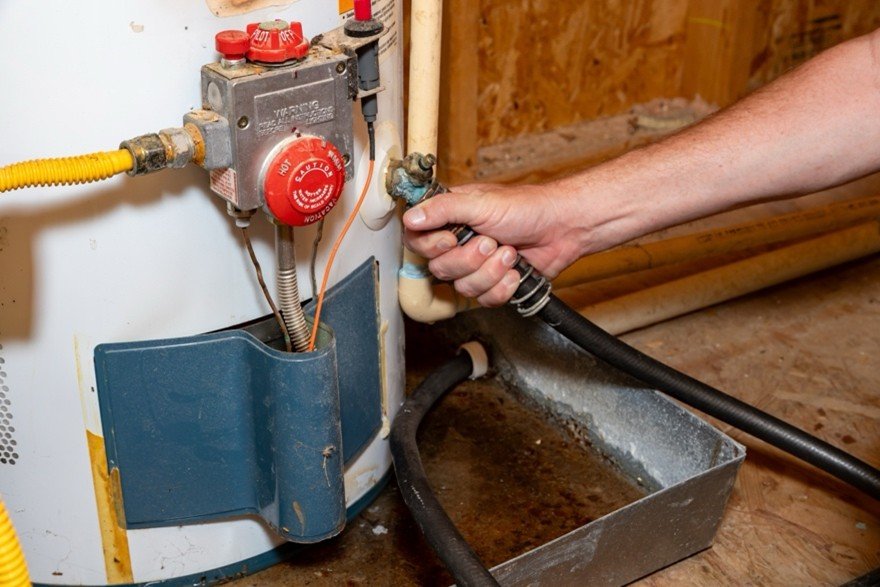
Attaching a garden hose to a water heater for draining.
Why Drain Your Water Heater?
Your water heater works hard every day to provide hot water for showers, laundry, and dishwashing. Over time, however, minerals and sediment from your water supply settle at the bottom of the tank. If left unchecked, this buildup can cause reduced efficiency, strange noises, and even a water heater leak, potentially damaging your home.
Reduce efficiency
Sediment creates a barrier between the heating element and the water, causing the heater to work harder and use more energy.
Shorten lifespan
Over time, excess sediment can lead to overheating, corrosion, and even premature tank failure.
Cause noises
Popping or rumbling sounds from your water heater are often signs of sediment buildup.
Reduce the hot water supply
Sediment takes up space, leaving less room for hot water, which means you’ll run out faster during daily use.
Regular maintenance, including draining your water heater, helps keep your system running efficiently and can save you money on energy bills and unexpected repairs.
How Often Should You Drain Your Water Heater?
Most home inspectors recommend draining your water heater at least once a year. If you live in an area with hard water, or if you notice signs of sediment buildup (such as strange noises or reduced hot water), consider doing it more frequently. Every six months is a good rule of thumb.
How to Drain Your Water Heater: Step-by-Step
Draining your water heater is a straightforward process, but it’s important to follow the proper steps for safety and effectiveness. Here’s a guide any homeowner can follow:
Turn off the power or gas supply: For electric water heaters, switch off the breaker at your electrical panel. For gas models, turn the thermostat to the “pilot” setting.
Shut off the cold water supply: Locate the cold water valve at the top of the heater and close it.
Connect a garden hose to the drain valve: The drain valve is usually near the bottom of the tank. Run the hose to a floor drain, driveway, or suitable area where hot water won’t cause damage.
Open a hot water faucet: Turn on a hot water tap somewhere in your home. This helps prevent a vacuum in the lines and allows the tank to drain more smoothly.
Open the drain valve: Carefully open the valve and let the water flow out. Be cautious as the water may be very hot!
Flush the tank (optional but recommended): Once the tank is empty, briefly turn the cold water supply back on to stir up and remove any remaining sediment. Let it run until the water flows clear, then shut off the valve.
Close the drain valve and remove the hose: Make sure the valve is closed securely to prevent leaks.
Refill the tank: Open the cold water supply valve. When water flows steadily from the hot water tap you opened earlier, turn it off.
Restore power or gas: For electric heaters, switch the breaker back on. For gas models, return the thermostat to the normal setting.
Tips from a Home Inspector
Always check your manufacturer’s instructions before beginning any maintenance.
If you’re uncomfortable performing this task, consider hiring a qualified plumber or ask your home inspector for recommendations.
Regular maintenance not only extends the life of your water heater but can also highlight potential issues before they become major problems.
Summary
Taking the time to drain your water heater is a small step that goes a long way in protecting your home’s comfort and value. As a home inspector, I encourage every homeowner to add this simple maintenance task to their annual checklist for worry-free hot water all year long.
At HomePro Inspections, we are trained to look for these issues when inspecting a home. Any problems are documented and recommended for resolution by a qualified professional.
Visit our website to learn more or to schedule your home inspection in the Rochester, Owatonna, and Faribault, MN areas. You can contact us today at (507) 202-8942, email us, or use our online “Schedule Now” feature to schedule an appointment.